Utilizing Electricity for Abundant Landscapes
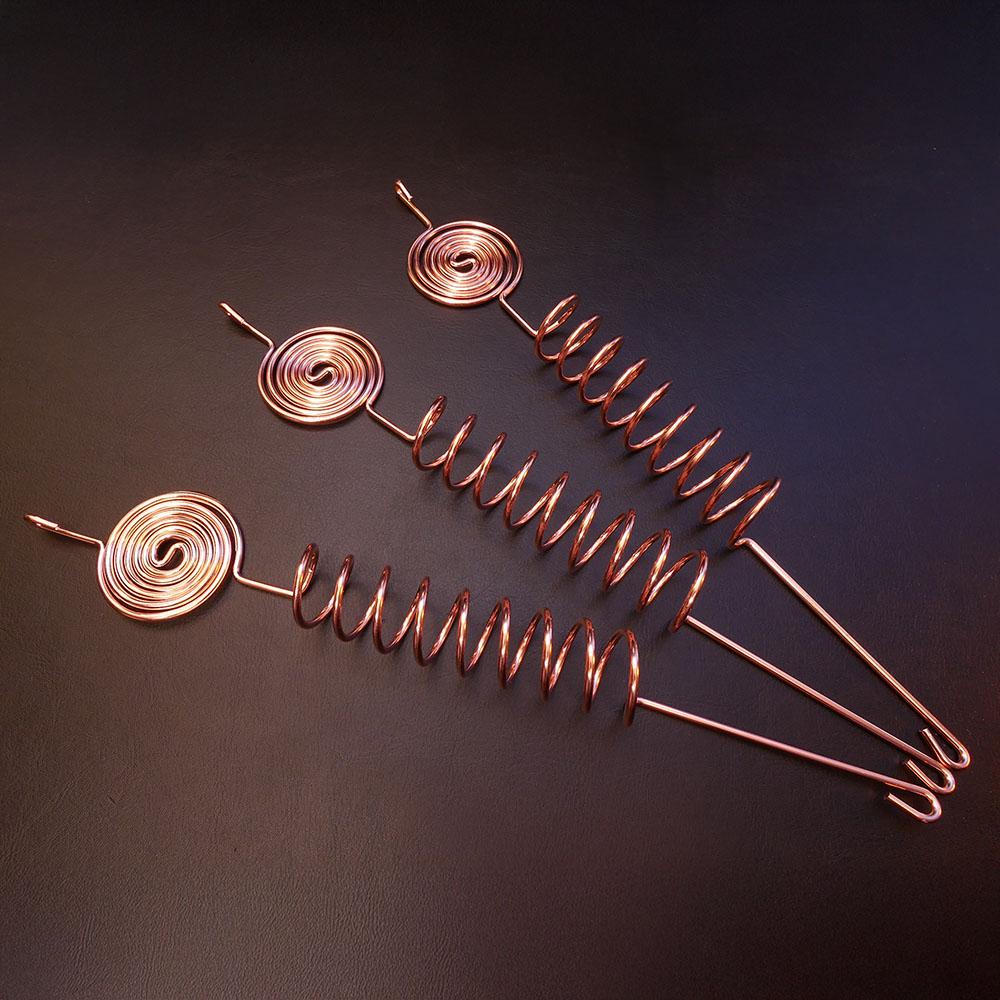
Electroculture, an unusual practice, suggests that vegetation can benefit when subjected to low-voltage electric charges. Advocates of electroculture suggest that this subtle stimulation promotes water assimilation, resulting to quicker maturation and potentially more production. While scientific validation remains insufficient, numerous practitioners share remarkable outcomes in their personal gardens , encouraging additional study of this alternative method to horticulture and food creation .
The Beginner's Guide to Electroculture Gardening
Wanting to explore a unique gardening system? Electroculture gardening involves harnessing electrical energies to enhance plant yield. It's sounds complex , but the basic principles are surprisingly simple to understand . Typically, it features creating some grid of copper wire around your plants , often connected to a gentle energy source. While rigorous proof is available limited, many gardeners claim significant benefits in crop health click here and harvest. This briefly examine the essentials in upcoming sections.
Can Electrical Farming Actually Operate? Distinguishing Truth and Myth
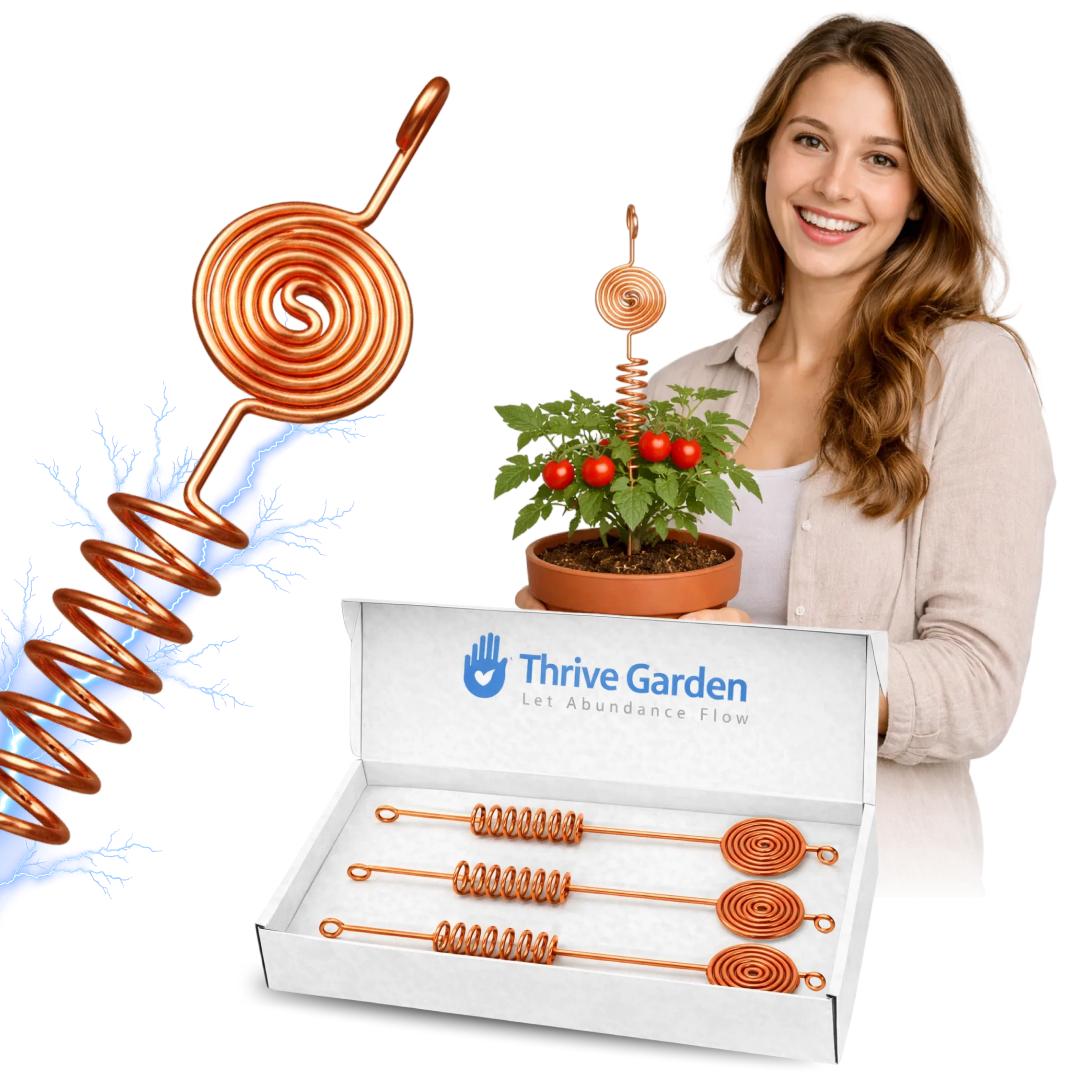
Electroculture, an approach employing minimal power to stimulate crop production, has generated widespread attention online. However, it's vital to thoroughly examine the statements and delineate genuine observations versus questionable advertising. Despite certain primitive experiments seem to indicate improved outputs, the empirical foundation persists primarily unclear. Numerous allegedly achievements may be due to other factors, like the earth, water management, or basic coincidence. Enhanced investigation and official validation are essential to confirm if electroculture is a reliable agricultural technique.
Setting up Your Own Bioelectrical Garden: A Detailed Guide
Embarking on the fascinating world of electroculture can appear daunting, but constructing your own electroculture garden is surprisingly doable with a few basic steps. First, obtain your materials: a container , copper wire , zinc material, water, and a electricity – a small battery or DIY cell can function . Next , position the copper and zinc surrounding the water inside the container, ensuring they don't touch. The electrical field produced between these metals is believed to encourage plant development . Finally, watch your plants and adjust the system as required – electroculture is as much about experimentation as it is dealing with following guidelines.
Electrical Gardening vs. Standard Cultivation: What is This Distinction?

Numerous cultivators are considering bio-electrical farming as an option to conventional gardening . While both seek to nurture vibrant crops , they depend on drastically contrasting approaches . Traditional cultivation relies on ground elements, illumination, and hydration, often with supplemental enhancements. In opposition , electrical gardening leverages a low charge to stimulate crop development , conceivably minimizing the need on soil and standard fertilizers . Ultimately , electrical gardening signifies a quite new field in agriculture with distinct promise .
Boosting Plant Growth with Electroculture: Potential & Practicalities
Electroculture, a debated process proposing plant development through electrical fields , has generated considerable curiosity amongst growers. Historical reports asserted astounding enhancements in yield and overall plant vitality . While the exact mechanism remains unclear , some theories direct to enhanced water absorption and nutrient access within the ground. Practical applications can span from rudimentary DIY setups using copper and zinc conductors to more advanced configurations. However, it’s crucial to examine electroculture with caution , acknowledging the restricted peer-reviewed academic data and potential risks associated with incorrect implementation. Further research is necessary to completely comprehend the possibility and limitations of this intriguing approach to horticulture .
- Potential benefits include increased yield and improved plant health.
- Consider the need for further research and scientific validation.
- Practical applications range from simple DIY systems to complex configurations.